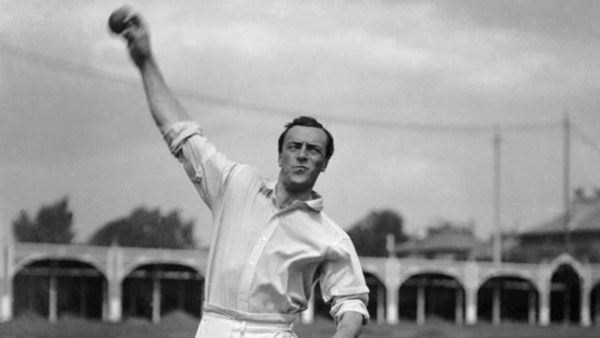
In 2023, Sachin Tendulkar's 100 international centuries still stand unmatched in cricket history, a milestone that adds weight to his famous nickname, 'Master Blaster.'
Nicknames in cricket are more than just catchy phrases; they tell stories about the players, their styles, and the culture of the game. Each moniker reveals insights that go beyond mere statistics, illuminating the impact these players have had on cricket. This article explores some of the most famous nicknames of cricketers, uncovering the narratives behind them.
1. Why 'The Wall' Isn’t Just a Compliment
Rahul Dravid scored 13,288 Test runs, a remarkable feat that showcases his defensive prowess. The nickname 'The Wall' first gained traction during India's 2001 series against Australia when he withstood relentless pressure in the second Test in Kolkata, scoring 180 and 217. This term captures not just his ability to bat for long periods, but his mental resilience, which remains crucial in Test cricket.
Dravid's reputation as 'The Wall' also reflects a tactical necessity for India during his playing days. His steadiness at the crease allowed aggressive players around him to take risks, ultimately transforming India's batting lineup in the late 1990s and early 2000s.
2. The Cricketing Icon ‘Master Blaster’
Sachin Tendulkar's record of 100 international centuries is a benchmark that seems insurmountable, even as of 2023. The 'Master Blaster' nickname is rooted in his explosive batting style blended with an unassuming personality. For 24 years, he dominated formats from Tests to ODIs, defying age and expectations alike.
Here's the thing: this nickname wasn't just given for his runs; it also reflects the emotional connection fans have with him. Tendulkar's ability to perform under pressure, especially in crucial matches, solidified his legacy — and the moniker is an integral part of that story.
3. The Enigma of 'King Kohli' and His Stats
Virat Kohli averages over 50 in ODIs and T20s, a rarity among active players, making 'King Kohli' an apt nickname. This title emerged in 2017 when he assumed leadership, demanding respect with his performances. His stature is not merely based on runs scored, but on how he embodies the future of the game.
His influence is profound — Kohli's aggressive style and fitness have reshaped the expectations for modern cricketers. It's a shift that goes beyond personal achievements; he's setting standards that will define cricket for years to come.
4. The Numbers Behind 'Big Show' and His Impact
Glenn Maxwell boasts a strike rate of over 140 in T20 internationals, emphasizing his role as a game-changer. The nickname 'Big Show' was coined during the 2014 T20 World Cup when he delivered a memorable 45 off just 19 balls against India, showcasing his explosive talent.
What stands out about Maxwell's performances is their transformative power. They can redefine how teams approach matches, and that impact is reflected in the way captains strategically deploy him. Here’s a table that highlights some key performances of Maxwell in T20 Internationals:
| Match Date | Opponent | Runs | Balls Faced | Strike Rate |
|---|---|---|---|---|
| March 23, 2014 | India | 45 | 19 | 236.84 |
| November 27, 2016 | New Zealand | 78 | 44 | 177.27 |
| October 30, 2021 | Bangladesh | 66 | 38 | 173.68 |
| September 6, 2022 | India | 77 | 50 | 154.00 |
| July 1, 2023 | England | 100 | 56 | 178.57 |
5. How 'The Prince of Kolkata' Became a Marketing Icon
Sourav Ganguly captained India to 21 Test victories, a role that was pivotal in reshaping the team’s mentality. His nickname, 'Prince of Kolkata,' reflects both his roots and his charm, significantly elevating his marketability in cricket. It’s a title that resonates with fans, creating a narrative that made him a beloved figure.
His leadership style brought aggression and belief into Indian cricket, empowering players to express themselves. This transformation not only changed the way India approached games but also how they were perceived globally.
6. Why 'The Beast' Might Be the Most Fitting Moniker
Chris Gayle's record of over 1,000 sixes in international cricket speaks volumes about his explosive nature. The nickname 'The Beast' encapsulates his immense power and presence, traits that have redefined the way T20 cricket is played. His ability to dominate bowlers sets a benchmark that few can match.
Notably, Gayle's unconventional batting style paved the way for a new breed of cricketer who prioritize aggression over traditional technique. In many ways, 'The Beast' is a representation of the evolution of cricket itself.
7. The Future of Nicknames in Cricket: A Cultural Shift?
As cricket evolves, newer players like Shubman Gill have yet to earn iconic nicknames despite their immense promise. Many current nicknames emerge from social media rather than performance, reflecting a cultural shift. The question remains: will this evolution lead to more fitting monikers, or will tradition prevail?
The way players are branded is changing, and it’s essential to consider how this impacts their legacies. Nicknames are more than just words; they encapsulate careers, influence perceptions, and shape narratives in the world of cricket.
Cricket nicknames reveal not just the players, but also how the game is perceived culturally. They’re a testament to the stories that unfold on the field.