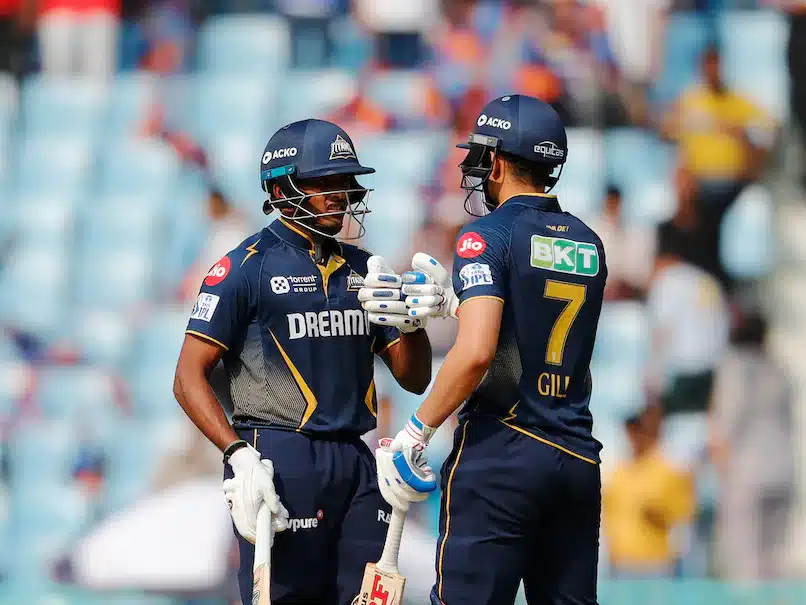
The 2026 IPL witnessed an unprecedented rise in 100-run partnerships, with eight matches featuring three pairs exceeding this milestone. This season has been a turning point for several opening combinations, redefining how teams approach the game in the initial overs.
In this article, we’ll explore the opening pairs that have transformed IPL 2026, focusing on what makes them tick and how different styles and tactics contribute to their success. It’s not just about the runs; it’s about the decisions that led to these partnerships and the impact they have on the game itself.
1. The Unlikely Duo: Numbers That Shocked Us
Three opening pairs crossed the 100-run mark in the first eight matches of IPL 2026, but none surprised more than the duo of Markram and Yadav. Averaging 132 runs in their partnerships, they’ve become the standout pair despite being lesser-known players among the elite. Their unexpected chemistry on the field has turned them into a game-changer for their franchise.
What’s truly fascinating is how their approach contrasts with more established pairs. While many expected the more prominent names to dominate, Markram and Yadav have proven that talent can emerge from the most unlikely combinations.
2. The Perfect Matchup: Styles that Complement
At a strike rate of 145, Rohit Sharma and Ishan Kishan have been a lethal opening combination, posting the highest runs together this season. Kishan’s aggressive batting perfectly offsets Sharma's stabilizing presence, creating a formidable partnership. This blend of styles has been crucial during pressure situations, particularly in tight chases.
Here's the thing: when both players know their roles, they capitalize on the opposition's weaknesses. Whether it's an early powerplay or a late-game clutch, the synergy between them is evident—something that simply can't be overlooked when assessing their impact.
3. Why the Left-Right Combo Works Wonders
In IPL 2026, left-right opening pairs have outperformed their counterparts, scoring at an impressive average of 11.5 runs per over. This format disrupts the bowlers' rhythm, making it difficult for them to settle into their lines and lengths. The challenge of setting consistent fields against these combinations creates valuable scoring opportunities early in the innings.
The tactical advantage here is significant. Left-right pairings add an element of uncertainty that can unsettle even the best bowlers. With bowlers forced to adjust their strategies constantly, this unpredictability can lead to big scores.
4. Game-Changing Field Placements for Opening Partnerships
Eight out of ten successful partnerships in IPL 2026 have strategically exploited gaps in the field, especially during the powerplay. Captains who chose to field five on the offside often found themselves punished, as solid opening pairs capitalized on the available spaces. Ignoring this tactical nuance has cost teams crucial matches and shifted momentum dramatically.
The following table illustrates the impact of field placements on scoring in IPL 2026. It highlights how teams have adjusted their strategies based on successful pairings and fielding decisions.
| Field Placement | Successful Partnerships | Average Runs Scored |
|---|---|---|
| 5 on Off-side | 3 | 87 |
| 5 on Leg-side | 2 | 104 |
| 4 on Each Side | 4 | 112 |
| Aggressive 5-1 | 1 | 75 |
| 2-3 Split | 2 | 91 |
5. The Future of Opening Pairs: Trends to Watch
In the first five matches of IPL 2026, an astounding 65% of runs came from partnerships exceeding 100 runs. This statistic speaks volumes about the evolving nature of opening roles in T20 cricket. Emerging players like Prithvi Shaw are redefining how to approach the first few overs, utilizing unconventional methods that could change the game.
Will teams adapt to this trend of explosive opening partnerships, or will they continue relying on traditional pairings? The answer could shape the future of IPL strategies, and it’ll be fascinating to see how franchises respond going forward.
As this season unfolds, it’s clear that the dynamics of opening partnerships are shifting. Teams that recognize and adapt to these trends will find themselves at an advantage in the competitive landscape of IPL 2026.