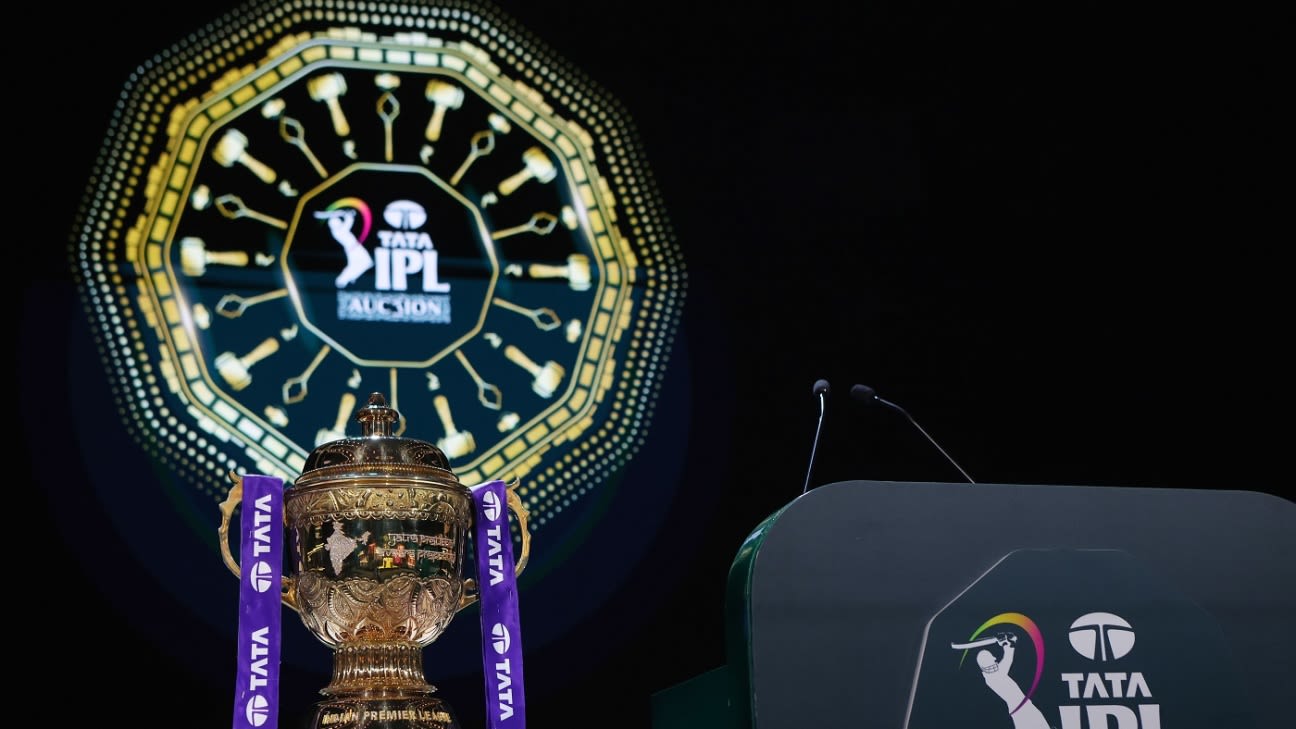
The 2022 IPL auction saw a record-breaking bid of ₹18.5 crore for Sam Curran, highlighting the intense financial stakes involved. The IPL auction isn't just about money; it's a strategic battle where decisions can make or break franchises. Teams meticulously plan their strategies, often months in advance, to ensure they maximize their returns on investment.
1. The Shocking Truth About Player Bids
In 2022, ₹18.5 crore was the price tag on Curran, the highest ever for a player in IPL history. Franchises don't just look at past performance or statistics; they also consider a player's marketability and brand value. The real strategy often lies in creating bidding wars that inflate prices, pushing teams to make decisions under pressure.
For instance, several franchises chase specific players not just for their skills but to disrupt the competition. This tactic can lead to overvaluation, but it also reflects the cutthroat nature of the auction.
2. Behind-the-Scenes: The Strategy Meetings
Teams invest significant time—up to 6 months—preparing for the auction, analyzing data from over 300 players. Scouting reports can reveal hidden gems; for example, Rashid Khan was unearthed from smaller leagues. Such diligent groundwork can tip the scales for franchises, especially those with tighter budgets, allowing them to punch above their weight.
Effective planning helps franchises identify not just star players but also valuable role players who fit their specific needs. Their ability to adapt their strategies can often mean the difference between success and failure.
3. How Salary Caps Shape Team Dynamics
The salary cap for each franchise is set at ₹90 crore for the 2023 season, which creates a challenging environment for team-building. Franchises can retain a maximum of 15 players before the auction, forcing tough decisions about key players and future potential. This cap ensures that value-for-money signings become critical for success.
Franchises that navigate this landscape well often find themselves with well-rounded squads, while others may end up overpaying for fewer star players. This competitive dynamic is what keeps the IPL exciting year after year.
4. The Role of Analytics in Player Selection
Over 70% of IPL teams actively use analytics to evaluate player performance and make informed decisions. For example, data-driven insights enabled Delhi Capitals to secure Prithvi Shaw for ₹7.5 crore, even when doubts about his future lingered. Ignoring analytics can lead to missed opportunities, as evidenced by KKR's struggles in 2021 when they bypassed crucial data.
This analytical approach is not just about numbers; it helps franchises identify patterns and trends that traditional scouting might miss. Teams that embrace this trend often find themselves ahead of the curve.
5. Unpacking the Auctions: A Critical Table
The last two auctions saw a notable shift in spending habits, with 2022's auction total hitting ₹554 crore. Teams like CSK strategically outbid others for key players, showcasing a strong auction philosophy. The data below highlights the spending patterns and strategic focus of various franchises, illustrating how different strategies can lead to different outcomes.
| Franchise | 2022 Spending (₹ crore) | 2023 Spending (₹ crore) | Strategy Focus |
|---|---|---|---|
| CSK | 64 | 52 | Star Power |
| MI | 80 | 68 | Depth |
| RCB | 57 | 45 | All-rounders |
| DC | 60 | 72 | Young Talent |
| KKR | 75 | 50 | Balanced Squad |
6. The Future: What’s Next for the IPL Auction?
In 2024, new rules could reshape retention strategies and bidding dynamics. The introduction of new franchises may further complicate the landscape, creating more competition and unpredictability. Understanding how these priorities shift each year is vital for fans and analysts alike.
Every auction will bring new surprises, and as teams adapt to changing rules, the strategic complexity will only deepen.
Here's the thing: the IPL auction is more than just numbers; it's about foresight, preparation, and executing a vision that can elevate a franchise to success.