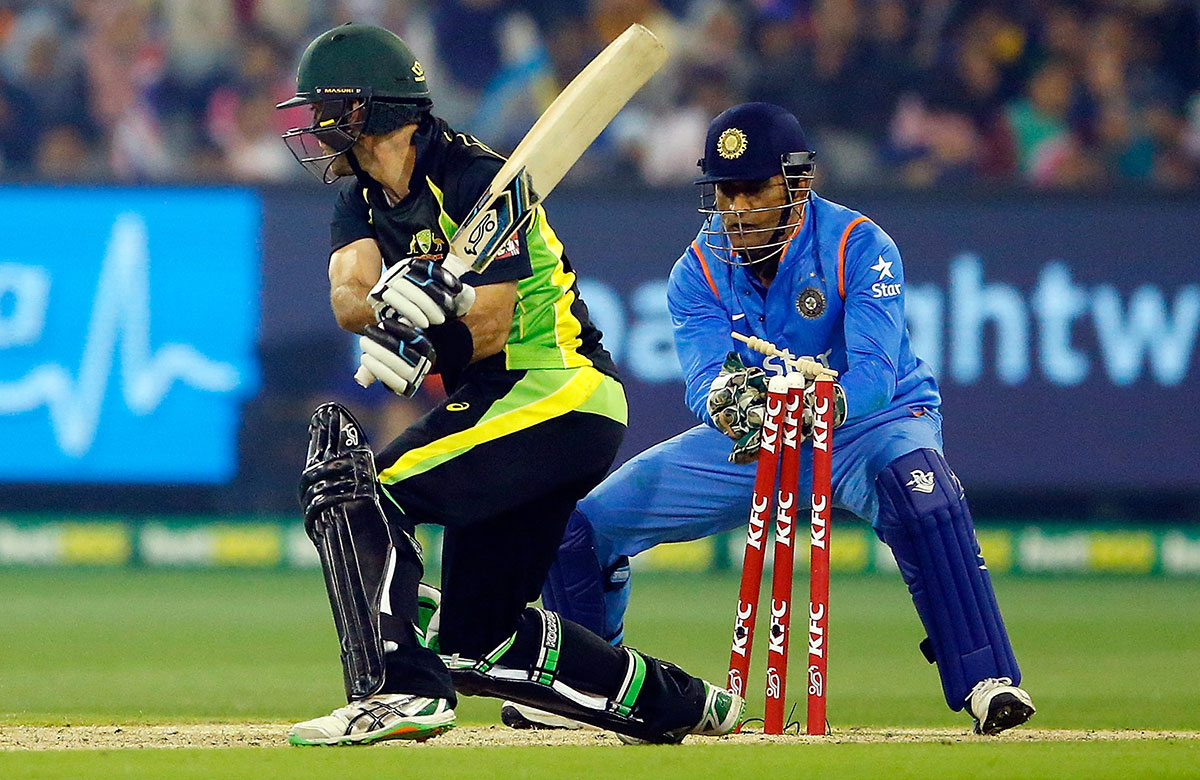
MS Dhoni's record-setting stumping was completed in just 0.08 seconds — as timed on the broadcast — when he stumped West Indies' Keemo Paul off Ravindra Jadeja in the 4th ODI at the Brabourne Stadium in October 2018, a feat that still leaves cricket analysts shaking their heads in disbelief.
This astonishing achievement has not only set a benchmark for wicketkeepers but also redefined the expectations of the role. Dhoni's technique goes beyond raw speed; it highlights the importance of precision and timing in wicketkeeping, elements often overlooked by younger players.
1. The Stumping That Left Everyone Breathless
On that day in 2018, Dhoni’s reaction was lightning quick — the ball had barely passed the batter when he completed the stumping. This record remains unbeaten, even as technology advances and training methods evolve. Here's the thing: Dhoni’s technique showcases the idea that timing trumps sheer speed when it comes to wicketkeeping.
This stumping wasn't just a moment; it was a statement.
2. How Much Does Technique Matter?
Research suggests that a stumping can be executed in under 0.1 seconds if the technique is honed to perfection. Dhoni’s crouch position and rapid hand speed were pivotal in achieving this remarkable stumping speed. Every wicketkeeper can learn from Dhoni's unique grip and stance, which allowed him to make such a quick decision.
It's not just about reflexes; it's about how you set yourself up for the play. By analyzing his stance, aspiring keepers can understand the mechanics that led to his success — this is critical for those looking to break records themselves.
3. The Role of Anticipation in His Record
In the 2019 World Cup, Dhoni's anticipation was on full display, allowing him to react faster than the average keeper. His ability to read the game leaves batters with less time to adjust, making his stumping record less about luck and more about skill. This anticipation is something every wicketkeeper should focus on in training.
Consider this: while many keepers rely on reactions alone, Dhoni’s foresight means he’s often one step ahead. This gives him a crucial edge, especially under pressure, something aspiring keepers should absolutely strive for.
4. A Breakdown of Stumping Stats
Across his international career (2004–2019), Dhoni made 195 stumpings — 123 in ODIs, 38 in Tests and 34 in T20Is — the most by any wicketkeeper in the history of the game. These figures challenge the narrative that modern keepers outperform their predecessors based solely on their current numbers.
5. What the Future Holds for Wicketkeeping
With new technology emerging, wicketkeepers are now training for faster reflexes than ever before. Dhoni's legacy continues to influence upcoming keepers, who strive for that blend of precision and speed he exemplified. The short answer? The next generation has some big shoes to fill.
As they push the limits of what’s possible, one has to wonder: will they break Dhoni’s stumping record, or is it destined to stand the test of time? Only time will tell, but one thing is for sure — the bar has been set incredibly high.
Dhoni’s approach to wicketkeeping has irrevocably changed the landscape of the sport, challenging future generations to elevate their game in ways previously thought impossible.