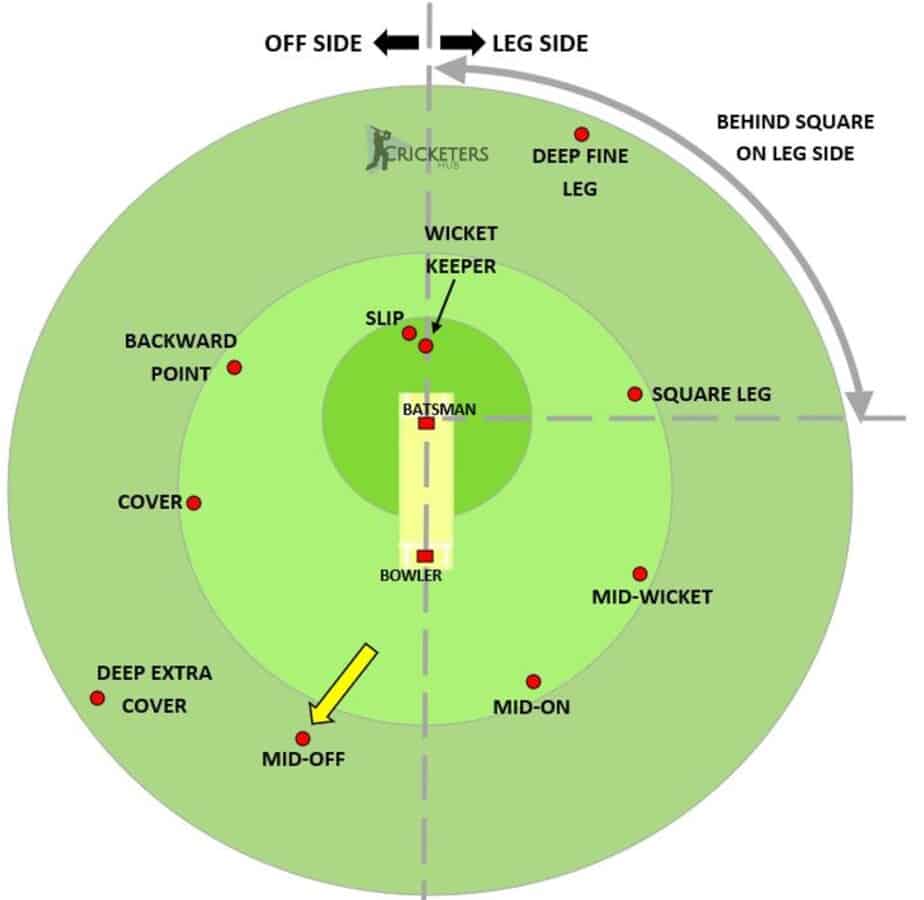
In 2023, 38% of wickets in ODIs fell during the first powerplay — a striking number that reflects the significance of this phase. The powerplay rules can drastically shift the game's momentum, and understanding their implications is crucial. This article reveals how powerplay strategies differ between ODIs and T20s, fundamentally altering team approaches and outcomes.
1. The Powerplay Confusion: Two Formats, One Game
ODIs have three distinct powerplay phases, while T20s feature only one. In ODIs, the first powerplay restricts teams to just two fielders outside the circle, which sharply contrasts with the T20 format where this rule is absent. This discrepancy fundamentally alters team strategies, forcing captains to think differently about aggressive batting and risk management.
2. Why the First Powerplay is the Most Crucial Phase
Since 2020, teams in ODIs have scored an average of 55 runs in the first 10 overs. Fielders' placements during these overs often reflect a team's intent to dominate early on — something that's pivotal in establishing momentum. The way a team approaches this phase often sets the tone for the entire innings.
3. The Impact of Fielding Restrictions on Batting Performance
Batters score at a strike rate of 6.5 runs per over in the first powerplay of ODIs compared to 9.0 in T20s. This stark difference highlights how fielding restrictions lead to riskier shots, increasing wicket rates—an average of 22% in the first powerplay. Teams must balance aggression with caution, as the early wickets can derail an innings.
4. Bowling Strategies: How to Negate the Powerplay Advantage
In 2023, a significant 38% of wickets in ODIs fell during the first powerplay, highlighting how bowlers can exploit this phase. Coaches emphasize using slower balls and yorkers to counter aggressive batting, which is often seen when teams are trying to capitalize on fielding restrictions. Understanding the batsmen's mindset becomes key to successful bowling in these high-pressure situations.
5. Key Facts That Define Powerplay Outcomes
Teams scoring over 60 runs in the first powerplay win 70% of the time. In T20 matches, teams chasing over 200 runs face a steep uphill battle if they score less than 40 runs in the powerplay. These stats serve as a reminder of the high stakes during this phase and the impact it has on match outcomes. Below is a summary of match outcomes based on powerplay performance in ODIs and T20s.
| Match Format | Team | Runs Scored in Powerplay | Wickets Lost | Match Outcome |
|---|---|---|---|---|
| ODI | India | 68 | 1 | Won |
| T20 | Australia | 35 | 3 | Lost |
| ODI | Pakistan | 62 | 2 | Won |
| T20 | England | 42 | 0 | Won |
| ODI | South Africa | 70 | 1 | Won |
| T20 | New Zealand | 29 | 4 | Lost |
6. What Lies Ahead: Powerplay Rules in Future Formats
The ICC is discussing potential changes to powerplay rules for 2024, including the possibility of a second powerplay in T20s. Emerging leagues are experimenting with different formats, raising questions about consistency in how powerplay rules are enforced. How these changes could alter traditional strategies is still up for debate, but they could lead to a fascinating evolution in the game.
The powerplay rules aren't just regulations; they shape the very essence of the game, influencing strategies and outcomes in ways that are often overlooked. Understanding their implications can give fans and teams a significant edge.