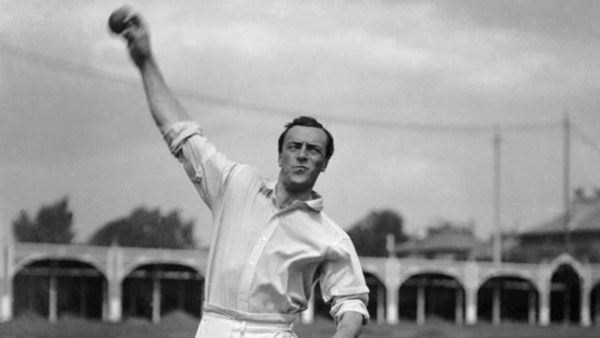
The quest for speed defines fast bowling — Shoaib Akhtar's record of 161.3 km/h against England in the 2003 World Cup still stands tall. This moment didn't just mark a personal achievement; it changed the definition of fast bowling in cricket. The sheer velocity of Akhtar's deliveries left batsmen in a state of panic and set a benchmark that remains unbroken.
Over the years, speed has mesmerized fans, analysts, and players alike. It’s not just about how fast a bowler can deliver the ball; it’s about the impact that speed can have on the game. By examining the top 10 fastest bowlers in cricket history, we can see how speed records have shaped strategies and performances, often defining the careers of those who wield it.
1. The Unbreakable Record: Shoaib Akhtar's 161.3 km/h
Shoaib Akhtar clocked his astonishing 161.3 km/h delivery during the 2003 World Cup match against England — a record that still holds. With that delivery, he not only became a household name but also redefined what it meant to be a fast bowler. His mix of speed and aggression created a fearsome reputation, compelling batsmen to adopt defensive tactics.
Akhtar's influence goes beyond numbers. His approach inspired a generation of fast bowlers who sought to emulate his blend of pace and intimidation, proving that speed is a critical weapon, especially in the World Cup stage.
2. The Mystery of Brett Lee's Consistency
Brett Lee consistently bowled over 150 km/h in around 90% of his career matches — a feat that speaks volumes about his fitness and skill. His ability to maintain such speed over long spells set him apart in the early 2000s, where many bowlers struggled to sustain high velocity.
Lee's impact on Australia's bowling attack was undeniable; his express pace was often a psychological advantage against batsmen. The numbers tell a different story — he was not just fast but consistently effective, leading to a win rate that benefited from his blistering pace.
3. The Rise and Fall of Mitchell Starc's Speed
Mitchell Starc recorded 160.4 km/h against New Zealand in 2015, marking him as one of the fastest bowlers of his generation. His unique bowling action enables him to generate incredible speed while keeping accuracy intact, a balance that few fast bowlers achieve.
In major tournaments, Starc’s pace has often been a game-changer; however, injuries have limited his availability. The question remains — can he return to peak form and challenge Akhtar's unyielding record?
4. The Evolution of Fast Bowling: From Garner to Gabriel
In the 1980s, Courtney Walsh and Curtly Ambrose both routinely bowled at speeds exceeding 150 km/h, revolutionizing fast bowling. Their height and bounce transformed the art of pace, establishing benchmarks that modern bowlers strive for.
This evolution reflects a shift in fast bowling — from mere speed to a combination of pace and skill. Modern bowlers now study these legends closely, looking to blend speed with tactical variations, making them more than just fast.
5. The Forgotten Fast Bowler: Jeffrey Thompson
Jeffrey Thompson was clocked at 160.6 km/h in 1975 — a record that stood for years before Akhtar's triumph. Known for his unconventional style, Thompson created unique challenges for batsmen, often leaving them guessing.
Interestingly, Thompson's legacy raises questions about how speed is measured today. The arrival of advanced technology has provided clearer insights into fast bowling, making Thompson’s achievements feel even more remarkable.
| Bowler | Speed (km/h) | Year | Match |
|---|---|---|---|
| Shoaib Akhtar | 161.3 | 2003 | vs England |
| Jeff Thompson | 160.6 | 1975 | vs West Indies |
| Mitchell Starc | 160.4 | 2015 | vs New Zealand |
| Brett Lee | 161.1 | 2005 | vs England |
| Lockie Ferguson | 157.3 | 2020 | vs England |
This table illustrates the fastest recorded deliveries by some of cricket's most renowned bowlers. Notice how the records span several decades, showcasing both the evolution of technique and the reliance on speed as a dominant factor in fast bowling.
6. The Influence of Technology on Bowling Speeds
Recent advancements in radar technology have significantly changed how we measure bowling speeds. With high-speed cameras and more accurate radar guns, we can now pinpoint the exact velocities of deliveries, revealing speeds that may have been underestimated in the past.
This evolution in measurement also opens doors for new fast-bowling talents that could emerge in the coming years. As the technology continues to develop, it will be fascinating to see how future bowlers leverage it to break existing records.
7. What's Next for Fast Bowling? The Future of Speed
Emerging talents like Lockie Ferguson have begun pushing boundaries, reaching impressive speeds of 157.3 km/h. Coaching methodologies are evolving too, with an increased focus on speed training from a young age, ensuring that the future of fast bowling is both exciting and competitive.
Will future bowlers surpass Akhtar's record? The interplay of genetics and technology may hold the key to unlocking new levels of speed in fast bowling, promising a thrilling future for the sport.
Fast bowling is more than just a metric; it’s a blend of skill, strategy, and physical prowess. The records that define this discipline are not merely numbers; they're benchmarks that inspire generations of cricketers to push the limits of speed.