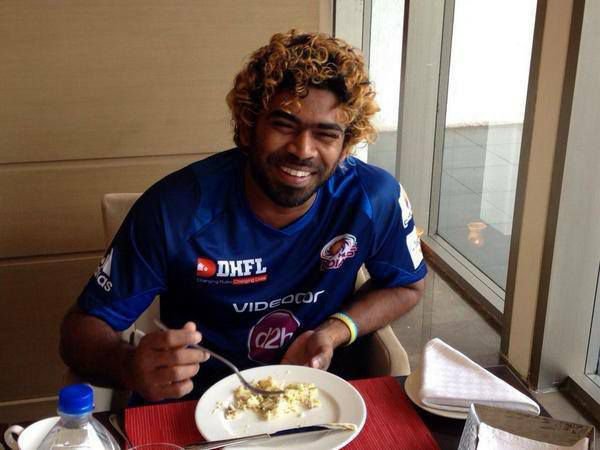
Breakfast is the foundation of a cricketer’s match day. For cricketers, this simple meal is crucial on match days, influencing stamina, concentration, and overall effectiveness. It's not just about fueling up; it's about what they fuel their bodies with.
Cricketers' diets are carefully curated — from oatmeal to energy bars. This article explores the specific foods players consume on match day, revealing the fascinating intersection of nutrition and performance in cricket. Here's the thing: nutrition isn't just about eating; it's about performance strategy.
1. The Surprising Role of Breakfast in Performance
Many players opt for oatmeal with fruits — essential complex carbs for sustained energy. Skip breakfast, and you risk reduced concentration and stamina. Not even close. In a sport where every run counts, such choices aren't trivial.
Breakfast is a performance strategy, not just a meal. And it showed.
2. The Importance of Hydration and Electrolytes
Players can lose up to 5% of their body weight through sweat during a match. This significant loss leads to dehydration and decreased performance — by 10-20%. Many cricketers prioritize electrolyte drinks; coconut water is a preferred natural hydrator due to its potassium content. Hydration is tactical necessity.
It's not just about quenching thirst; it's about maintaining peak physical condition. The numbers say otherwise.
3. Snacks: The Secret Weapon for Sustained Energy
Top athletes consume 2-3 snacks during a match to maintain energy levels. Bananas and energy bars are common choices — strategic snack breaks that help players maintain blood sugar levels, preventing fatigue. When fatigue can change the game, these snacks become essential.
These simple snacks are crucial components of a player's strategy. Worth pausing on.
4. Lunch Choices: Protein Power for Recovery
Professional cricketers recommend high-protein lunches — ideally 30g per meal. Chicken or fish with whole grains aids in muscle recovery, especially after a long innings. Proper nutrition at this stage is crucial for preparing for the next session. In a game where physical resilience is key, lunch is more than just a meal.
Lunch is a means of ensuring recovery and readiness. But that's not the interesting part.
5. The Role of Cultural Influences on Meal Choices
Indian cricketers favor dal and rice — staples that provide necessary carbohydrates and proteins. Australian players might lean towards healthier BBQ meals. These cultural food choices offer nutritional benefits and psychological comfort, boosting performance. Food is personal; for athletes, it can directly impact their mental game.
It's about finding what works — and it's not just about the food.
6. Timing: When to Eat for Optimal Performance
Eating too close to match time can lead to discomfort; experts recommend a gap of at least three hours. Strategic eating before early matches is vital to stave off fatigue and maintain energy levels, significantly affecting focus and performance. In cricket, timing can be as crucial as the choice of food.
And it showed. The real reason for this is simple: performance depends on it.
7. Debunking Myths: What Cricketers Really Avoid
Many players avoid dairy on match day to prevent bloating, which can hinder performance. Fried foods and heavy carbohydrates are also off-limits, as they can lead to sluggishness. These dietary choices stem from personal experiences and guidance from nutrition experts. Knowing what to avoid is just as important as knowing what to eat.
It's about making informed choices — every bite counts.
8. Future Trends: Evolving Dietary Practices in Cricket
The rise of plant-based diets is becoming increasingly popular among players, with athletes like Ben Stokes showcasing the benefits. Technological advancements in sports nutrition are changing how meals are prepared and consumed. As cricket evolves, so too will the nutritional strategies employed by its athletes. Nutrition isn't standing still; it's adapting.
That's the thing about modern cricket — it's always changing.
Understanding what cricketers eat on match day reveals a meticulous approach to nutrition, where every bite counts toward performance. Their choices reflect not only personal preference but also a strategic commitment to excellence. The numbers say otherwise — but in this case, they say it all.
| Meal | Protein (g) | Carbohydrates (g) | Fats (g) |
|---|---|---|---|
| Oatmeal with fruits | 10 | 60 | 5 |
| Chicken with whole grains | 35 | 45 | 10 |
| Energy bar | 5 | 30 | 7 |
| Banana | 1 | 27 | 0.3 |
| Coconut water | 0 | 9 | 0 |